Monday - Friday 07:30 - 17:30, Saturday 07:30 - 16:00
Engineered Wood Floor Fitting in West Norwood, SE27
Back to Portfolio
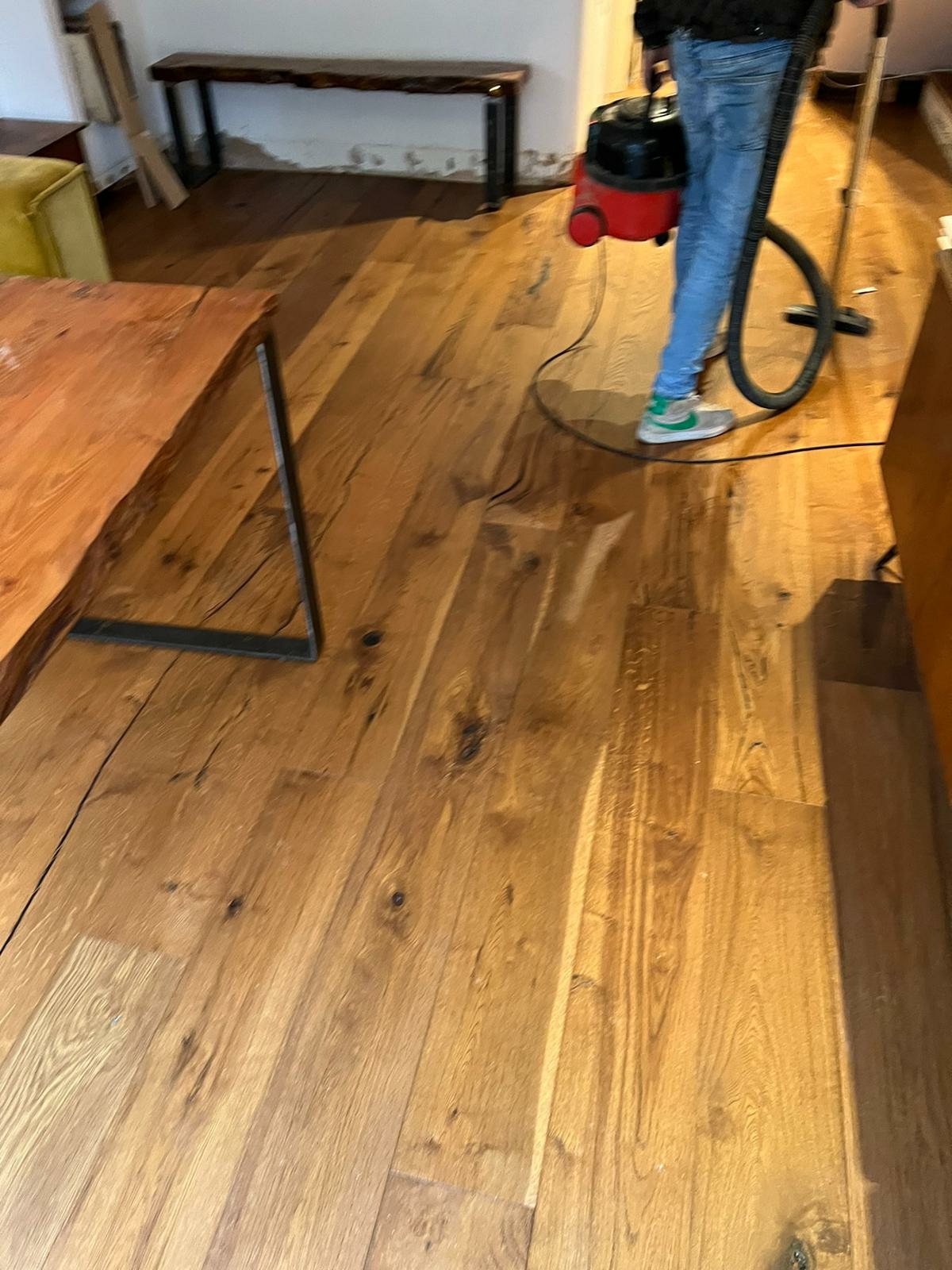
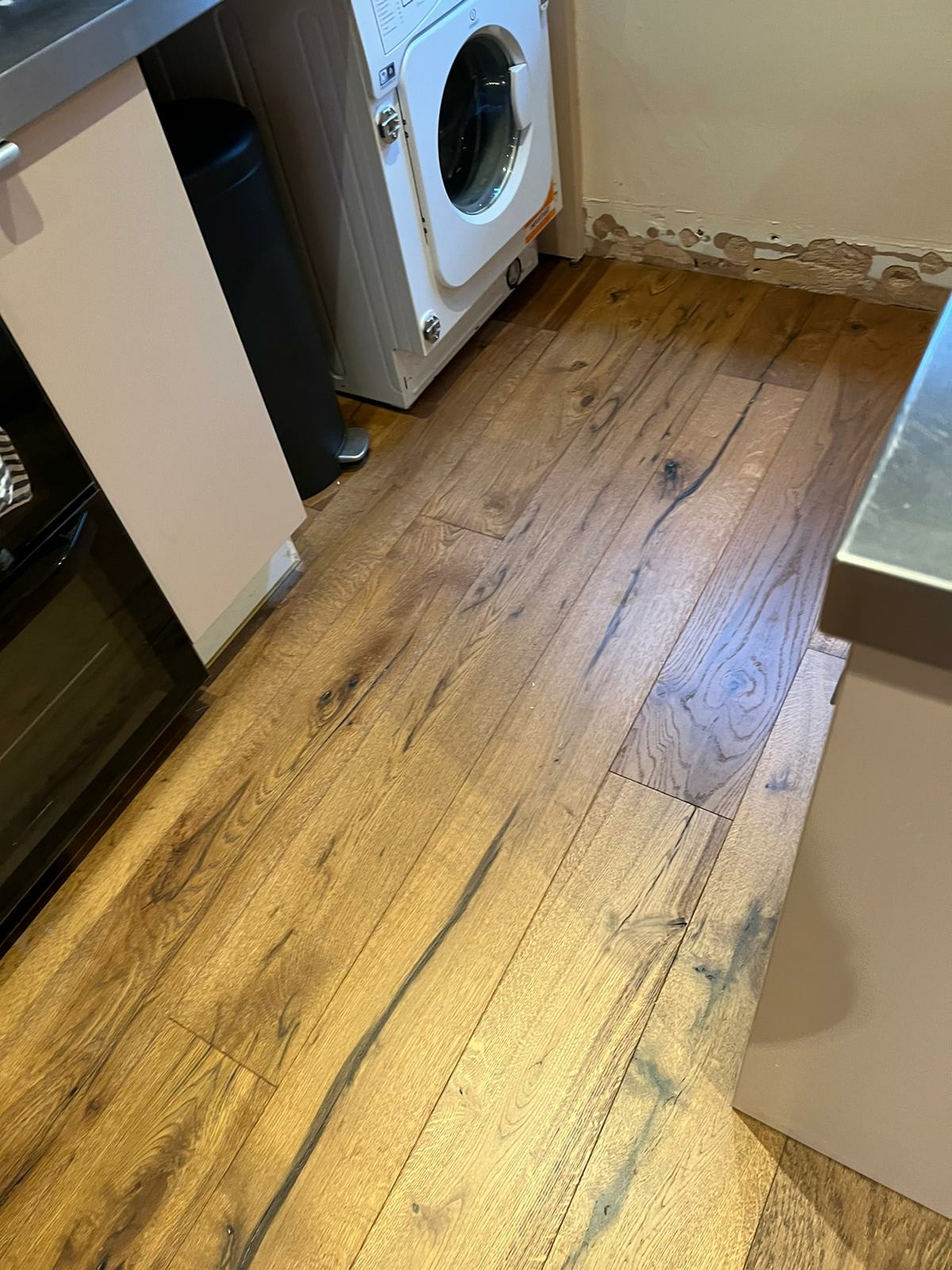
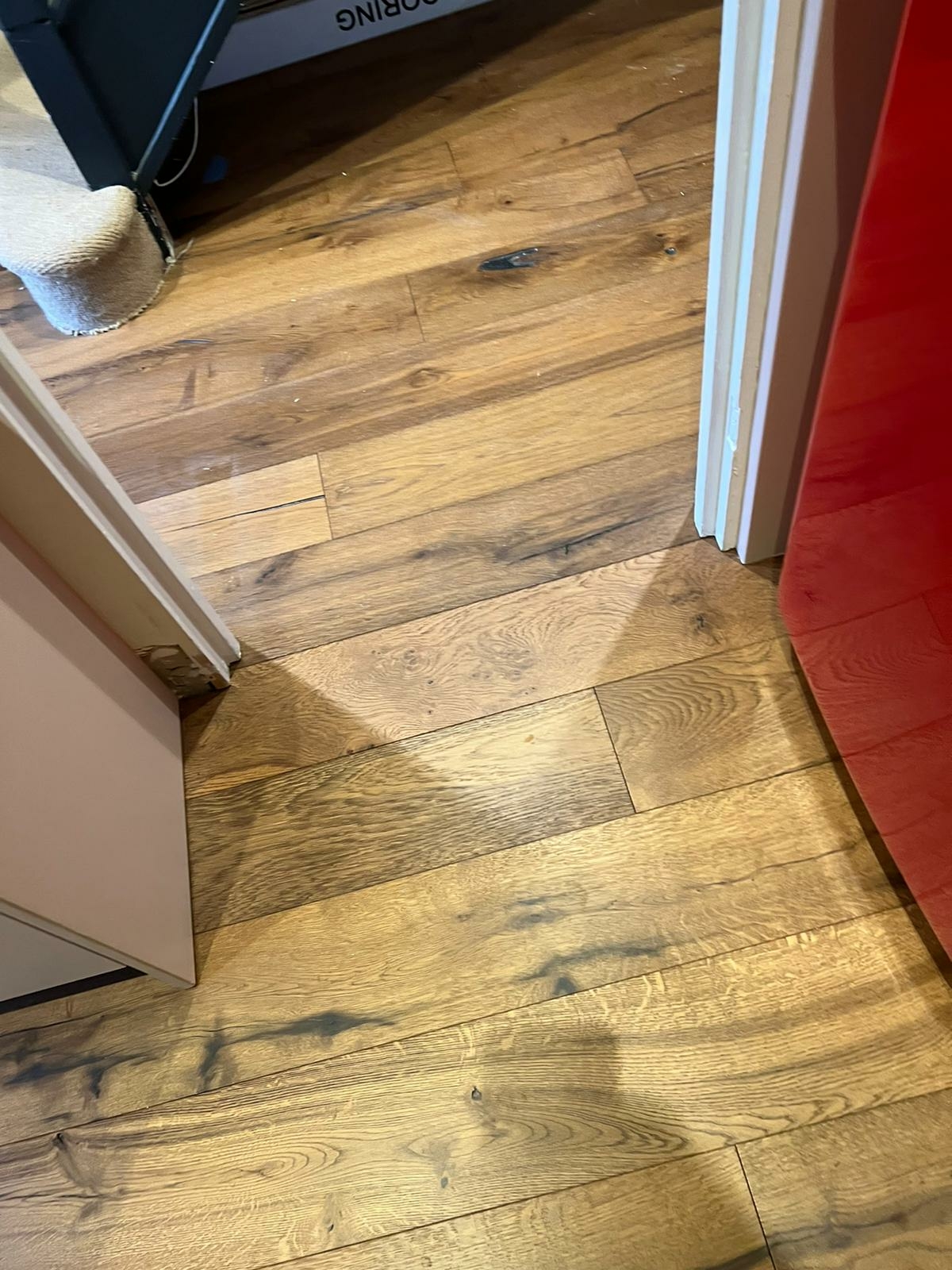
Engineered Wood Floor Fitting in West Norwood, SE27
Engineered Wood Floor Fitting in West Norwood, SE27
A Victorian terraced property in West Norwood required fitting of engineered wood flooring across three reception rooms and a hallway. The owners wanted a warm, durable surface that could handle the period features of their 1890s home while providing practical, low maintenance living space. We completed the installation over five days, working around listed features and existing plasterwork.
Work carried out
- Subfloor assessment and preparation of existing boards
- Installation of engineered oak flooring with staggered joint pattern
- Fitting around Victorian fireplaces and door frames
- Completion with matte lacquer finish
- Skirting and threshold installation
- Site cleanup and final inspection
About the project
The property had uneven original floorboards and patches of rot in two sections of the ground floor. We assessed the subfloor carefully before recommending engineered wood rather than solid, given the Victorian construction and seasonal movement in the building. Engineered boards are dimensionally stable, meaning they resist warping from temperature and humidity changes far better than solid wood in older homes. This matters significantly in West Norwood properties where solid walls and variable heating can cause real problems with floor movement.
The main challenge was working around the existing layout without damaging the original cornicing, dado rails and plaster mouldings. The ground floor rooms connect through wide doorways typical of Victorian properties, so we had to plan the board layout to avoid obvious visual breaks. We also had to remove and refit the skirting boards, which required careful handling given their age and condition. The final result runs continuously across all three rooms, creating better spatial flow while respecting the period character of the property.
About our West Norwood, SE27 service
West Norwood is dominated by late Victorian and Edwardian terraced housing, built between 1880 and 1920. These properties typically feature solid construction, original wooden floorboards (often uneven), and period details that need respecting during renovation work. We work regularly across SE27, and understand the specific demands of fitting floors in these older homes. Many owners are choosing engineered wood as a practical upgrade, because it performs better than solid boards in buildings that move and shift with age and seasonal changes.
The area also contains some newer build apartment blocks and converted Victorian warehouses, which present different challenges. New builds usually need less subfloor preparation but require precision fitting to tight tolerances. Warehouse conversions often have concrete bases and uneven surfaces requiring self levelling compound before installation. Whatever the property type, we approach each job individually, surveying the site properly and advising on the most suitable flooring solution rather than recommending the same approach everywhere.
Frequently asked questions
How much does engineered wood fitting cost in West Norwood?
Fitting costs typically range from £35 to £60 per square metre, depending on the complexity of the layout, subfloor condition and whether we need to remove existing flooring. Properties with many obstacles like fireplaces or irregular room shapes cost more to fit properly. We provide a fixed quote after site survey rather than estimates, so you know the final cost upfront.
What preparation work is needed before fitting?
The subfloor must be clean, dry and level within 3mm tolerance. If you have existing boards, we assess whether they can stay in place or need lifting. In Victorian homes, we often find damp issues or movement that need addressing first. We'll explain what's necessary during the survey and price any additional preparation work separately.
How long does fitting take?
Fitting typically takes two to four days for a ground floor of 40 to 60 square metres, depending on room layout and subfloor condition. Complex jobs with many doorways and obstacles take longer. We plan the work schedule carefully and keep you informed of progress. Most properties are ready for use within a day of completion, though we recommend waiting 48 hours before moving heavy furniture back in.
Project Gallery